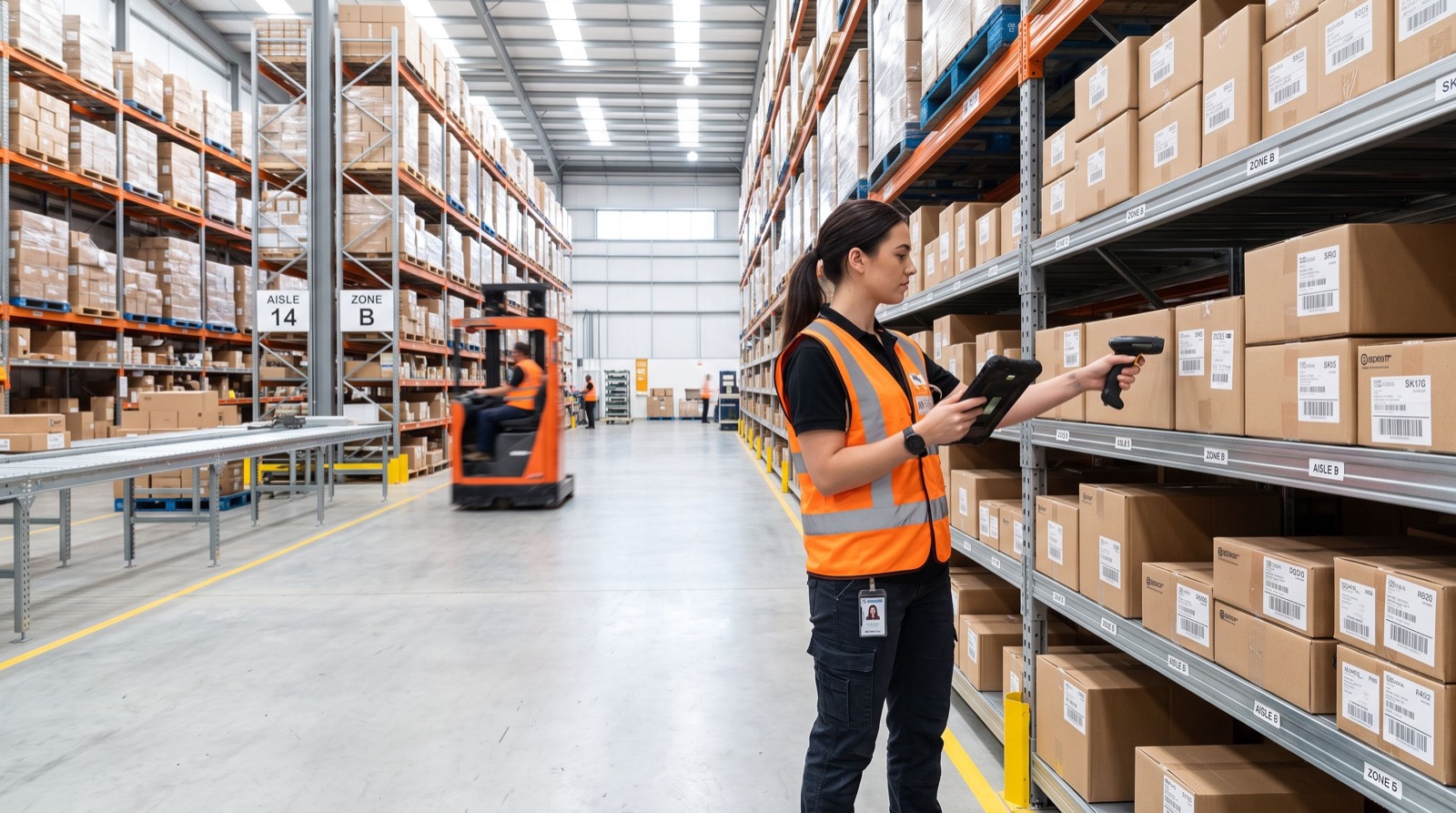
Business storage in Saudi Arabia has quietly become one of the smartest moves a growing company can make in 2026. As rents climb and warehouse space near major cities tightens, more owners are turning to flexible self-storage and dedicated commercial units instead of locking themselves into long, expensive leases. From e-commerce sellers juggling stock to workshops managing components, the right storage strategy keeps operations lean, protects valuable inventory, and frees up cash for growth. This guide breaks down how businesses across the Kingdom are using professional storage to their advantage.
The appeal is simple. You pay only for the space you use, scale up or down as demand shifts, and hand off the headaches of climate control and security to specialists. For a founder watching every riyal, that flexibility is gold.
Why business storage beats a long lease
Signing a multi-year warehouse lease sounds solid until sales dip or a product line changes. Then you are stuck paying for empty square metres. Self-storage flips that risk on its head by letting you match space to real demand, month by month.
It also removes hidden costs. Utilities, maintenance, insurance on the structure, and staffing all fall to the facility rather than to you. That means fewer surprises on your books and more predictable overheads.
- Flexibility: Adjust space as your inventory rises and falls.
- Lower overhead: No building maintenance or utility bills.
- Security included: CCTV, gated access, and monitoring.
- Fast setup: Move in within days, not months.
- Location choice: Store near your customers or suppliers.
Protecting sensitive inventory
Not all stock survives the Saudi summer equally. Heat and humidity are relentless, and certain goods degrade quickly without proper conditions. This is where specialised units earn their keep.
Technology companies and online sellers face a particular challenge because delicate components hate heat and static. Dedicated Storage for Electronics & Smart Devices keeps circuit boards, screens, and batteries in stable conditions that prevent warping and corrosion. Similarly, automotive workshops and machine shops need somewhere reliable for components, and purpose-built Storage for Spare Parts stops metal from rusting and rubber seals from cracking in the heat.
| Business Type | Common Stored Items | Ideal Condition |
|---|---|---|
| E-commerce | Gadgets, packaging, returns | Dry, climate-managed |
| Auto workshop | Parts, tyres, tools | Ambient, ventilated |
| Retail | Seasonal stock, displays | Dry, secure |
| Pharma/food | Perishables, samples | Chilled |
How can small businesses save money with storage?
The savings go deeper than rent. When you consolidate inventory in one secure, well-organised unit, you cut waste, reduce stock loss, and speed up order fulfilment. Every one of those wins flows straight to your margin.
Start by auditing what you actually need on hand versus what can sit off-site. Fast-moving items stay close, while slow stock, archives, and seasonal gear move to storage. That single change often shrinks the premium retail or office space you rent.
- Separate fast-moving stock from slow or seasonal items.
- Move archives and rarely used equipment off-site.
- Right-size your primary premises after the shift.
- Track stock levels to avoid over-ordering.
- Review the arrangement every quarter as sales change.
Choosing a facility you can trust
Reliability matters more for business than for personal storage, because downtime costs sales. Look for facilities with strong access hours, documented security, and clear insurance options. According to the Occupational Safety and Health Administration, proper storage practices, including stable stacking and clear aisles, prevent both product damage and workplace injuries.
It also pays to work with trusted professionals who understand commercial needs, from bulk deliveries to inventory rotation. A facility that treats businesses as partners rather than casual renters will make your operations smoother.
Storage as part of your supply chain
Forward-thinking businesses in Saudi Arabia no longer treat storage as a dead-end cupboard. They fold it into their supply chain, positioning stock closer to customers and cutting delivery times. In a market where fast fulfilment wins repeat orders, that proximity is a competitive weapon.
Consider an online seller shipping across the Kingdom. Splitting inventory between a central hub and a smaller unit near a busy region can slash courier costs and speed up delivery. The storage unit effectively becomes a micro-fulfilment centre without the crippling overhead of a full warehouse.
From working alongside growing traders, the pattern is consistent. Those who plan storage around customer demand, seasonal spikes, and supplier lead times run leaner and recover faster when the market shifts. Storage stops being a cost line and starts acting like infrastructure that quietly powers growth.
- Position stock: Store near your busiest delivery zones.
- Buffer for spikes: Hold extra inventory before peak seasons.
- Cut courier costs: Shorten the distance to customers.
- Protect margins: Avoid over-renting pricey retail space.
Setting up your unit for efficiency
A well-planned unit works like a mini warehouse. Thoughtful layout turns wasted trips into quick pick-and-pack runs, saving staff time every single day.
- Place high-turnover items nearest the entrance.
- Use sturdy shelving to go vertical and save floor space.
- Label every box and shelf with a clear system.
- Keep an aisle wide enough for a trolley.
- Maintain an updated inventory list, digital if possible.
Frequently Asked Questions
Can I run my whole business inventory from a storage unit?
Many small e-commerce and trading businesses do exactly that. As long as the facility permits commercial use and offers the right conditions and access hours, a storage unit can serve as a lean, low-cost distribution base.
How do I keep electronics safe in Saudi heat?
Store them in a dry, temperature-managed unit away from direct sun and humidity. Use anti-static packaging, keep batteries at partial charge, and avoid stacking heavy items on screens or delicate boards.
Is business storage more expensive than personal storage?
Not necessarily. Pricing depends on size, location, and conditions rather than who is renting. Businesses often save overall because storage replaces far pricier warehouse or retail space.
Can I scale my storage as my business grows?
Yes. Flexible providers let you add units or upgrade to larger ones with short notice, so your storage grows in step with your sales instead of holding you back.
Turning storage into a growth strategy
Business storage in Saudi Arabia is far more than a place to dump excess boxes. Used well, it becomes a flexible extension of your operation that lowers overheads, protects sensitive stock, and lets you respond quickly to changing demand. In 2026’s competitive market, that agility can be the edge that keeps you ahead of slower rivals.
Take a hard look at your inventory, identify what belongs off-site, and pick a facility that matches your products and access needs. Reserve the right commercial unit today and turn your storage into a quiet engine for growth.